 PlayFable Arcade
PlayFable Arcade
PlayFable Arcade
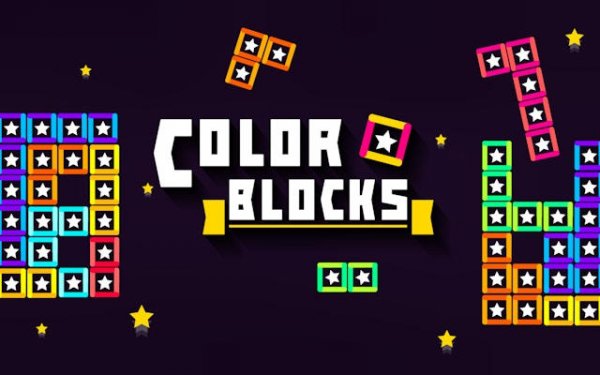
Spatial Color Fit 3D succeeds by taking a familiar puzzle concept and adding a thoughtful three-dimensional twist. The vibrant graphics make each level inviting, while the gradual difficulty curve ensures that players remain engaged without feeling overwhelmed. Controls are smooth and responsive, making the act of rotating and placing blocks feel natural. It is an excellent choice for anyone seeking a quiet, brain-teasing activity that can be enjoyed in short bursts or longer sessions.
At its heart, Spatial Color Fit 3D revolves around a simple premise: cover all colored zones on a three-dimensional board using a set of provided blocks. Each block comes in a specific shape and color, and the board is divided into sections that match these colors. The challenge lies in rotating and positioning each piece so that it fits perfectly within its designated area without overlapping or leaving gaps. This core mechanic creates a satisfying cycle of trial, adjustment, and completion.
The game employs a clean, vibrant 3D aesthetic that makes each puzzle visually distinct. Blocks and board elements feature bright, saturated colors that help players quickly identify matching zones. The three-dimensional perspective adds depth to the puzzle, requiring players to consider not just flat placement but also how pieces stack or interlock in space. This visual style contributes to a relaxed, focused atmosphere that encourages thoughtful play.
Early levels introduce basic shapes and small boards, allowing new players to grasp the drag-and-drop mechanics and rotation controls. As players advance, puzzles incorporate more complex block configurations and larger grids. The increasing complexity demands greater spatial awareness and planning. Players must think several moves ahead, considering how each placement affects the available space for remaining pieces. This gradual ramp keeps the experience accessible while providing a steady challenge.
Interaction is handled through intuitive drag-and-drop actions. On a computer, players click and drag blocks with a mouse; on touchscreen devices, a finger tap and drag suffice. Blocks can be rotated by tapping a dedicated button or using a simple gesture. The responsive controls ensure that every movement feels precise, reducing frustration and allowing players to focus on the puzzle itself. No downloads or installations are required, as the game runs directly in a web browser.






Player Comments
Sign in to comment
You must be logged in before posting a review or rating.
No account? Create one
No comments yet. Be the first to comment!