 PlayFable Arcade
PlayFable Arcade
PlayFable Arcade
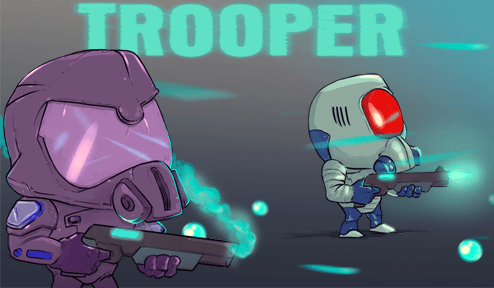
Last Player Standing Arena delivers exactly what its name promises: focused, no-frills multiplayer action. The bright 2D visuals keep matches readable even during chaotic moments, and the simple controls let players concentrate on strategy. Regular updates from a responsive development team ensure the game stays fresh. It is an ideal choice for anyone wanting quick competitive matches without a steep learning curve.
In Last Player Standing Arena, the goal is straightforward: be the last competitor remaining. Each match drops multiple players into a vibrant 2D space where alliances are meaningless. The action is constant, requiring split-second decisions about when to engage and when to hold back. Movement and aiming happen simultaneously, creating a fluid experience where hesitation often leads to elimination. The arena itself is designed with clear sightlines and strategic cover points, encouraging players to think about positioning as much as direct confrontation.
The controls follow standard conventions familiar to most players. Keyboard keys handle movement across the arena, while mouse or joystick inputs manage aiming and actions. This setup allows newcomers to jump in without extensive practice, yet provides enough depth for experienced players to refine their technique. The simplicity of the control scheme shifts focus toward tactical awareness rather than complex input sequences. Players who can move and act in unison gain a noticeable advantage, making coordination between movement and targeting a key skill to develop.
As an early beta release, this game receives regular updates that introduce new content and refine existing mechanics. The small development team actively solicits player feedback, meaning the community has a direct hand in shaping the game's evolution. This approach ensures the arena stays fresh and responsive to what players actually enjoy. Updates may adjust balance, add environmental elements, or introduce new ways to interact with opponents. The result is a game that grows alongside its audience rather than remaining static.
The 2D arena uses bright, clear colors that make characters and obstacles easy to distinguish during fast-paced matches. This visual clarity is essential for quick decision-making, as players need to spot threats and opportunities at a glance. The art style leans toward playful and inviting, reducing the intensity that might come with darker themes. The environment remains uncluttered, allowing the action to take center stage without visual noise distracting from gameplay.
While the basic objective is simple, mastering the arena requires more than quick reflexes. Learning the layout helps players identify advantageous positions and safe routes. Using cover effectively can turn a losing situation into a comeback. Observing opponent patterns and predicting their next move becomes increasingly important as matches progress. Patience often pays off, as rushing into engagements without awareness frequently leads to early elimination. The game rewards players who balance aggression with caution.







Player Comments
Sign in to comment
You must be logged in before posting a review or rating.
No account? Create one
No comments yet. Be the first to comment!