 PlayFable Arcade
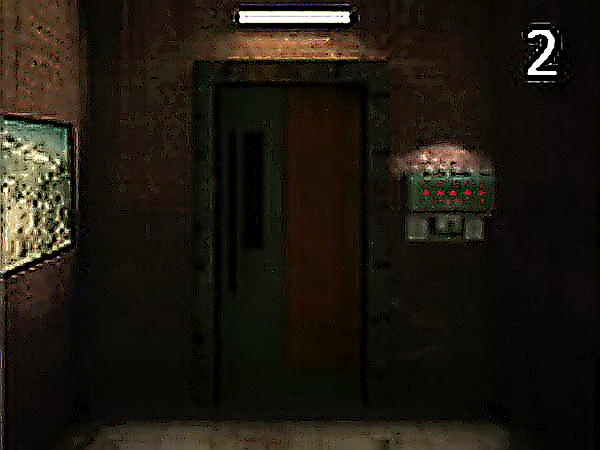
The Locked Room: Chapter Two offers a satisfying puzzle experience without relying on gimmicks. The room design feels intentional, with each object placed for a reason. The hint system is well-balanced, providing help without removing the sense of accomplishment. The story unfolds naturally through exploration, and the calm atmosphere makes it easy to stay focused. This is a strong choice for anyone who enjoys logic-based challenges in a relaxed setting.
The Locked Room: Chapter Two places players inside a closed environment where every object could be a clue. The room is designed with a calm, neutral atmosphere that encourages focused observation. Unlike high-intensity action titles, this game relies on quiet exploration and mental engagement. Players must piece together their surroundings to understand how they ended up in this situation.
Each challenge in the game is built around logic and pattern recognition. Some puzzles require combining items found in different parts of the room, while others depend on noticing subtle visual cues. The difficulty curve is gentle, allowing newcomers to puzzle games to feel capable while still offering enough depth for experienced players. Hints are available but are designed to nudge rather than reveal the full solution.
Players interact with the environment using a straightforward point-and-click interface. Moving the cursor over interactive areas highlights them, making it easy to know where to look. The inventory system stores collected objects, and combining them is a key part of progressing. The game encourages revisiting areas after acquiring new items, as earlier locations may hold fresh possibilities.
The narrative unfolds gradually through environmental storytelling. Notes, symbols, and the arrangement of objects hint at a larger mystery. The tone remains family-friendly throughout, with no frightening elements or disturbing imagery. The soundtrack is subtle, designed to maintain focus without becoming distracting. This approach makes the game suitable for a wide age range.
Pay attention to every detail, no matter how small. Some solutions require thinking about the relationship between objects rather than just their individual use. If a particular puzzle feels too difficult, taking a short break can provide a fresh perspective. The game rewards patience and careful thought, so rushing may cause missed clues.



Player Comments
Sign in to comment
You must be logged in before posting a review or rating.
No account? Create one
No comments yet. Be the first to comment!